Trio Leaves Bush: A Designer’s Real-World Review
As a designer who spends more time staring at stitch simulations than I do sleeping, I have learned that not every pretty picture translates into a clean embroidery project. When I first pulled up the Trio Leaves Bush file on my screen, I was looking for more than just aesthetic appeal. I wanted to know if this design would hold up under the needle, how it would behave on different textiles, and whether it could carry the weight of a commercial product. This review is not about hype; it is about practical application for those of us turning thread into income.
First Impressions and Visual Personality
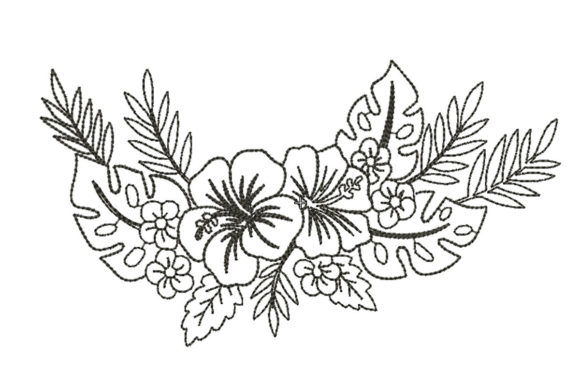
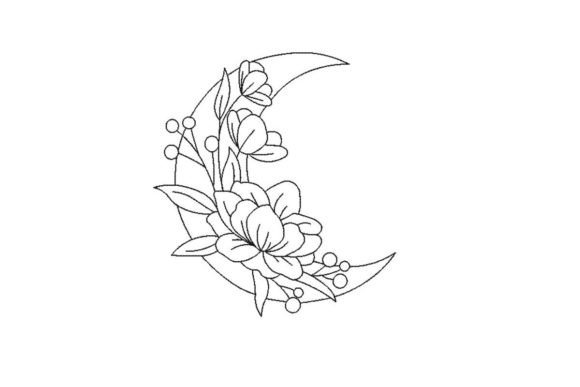
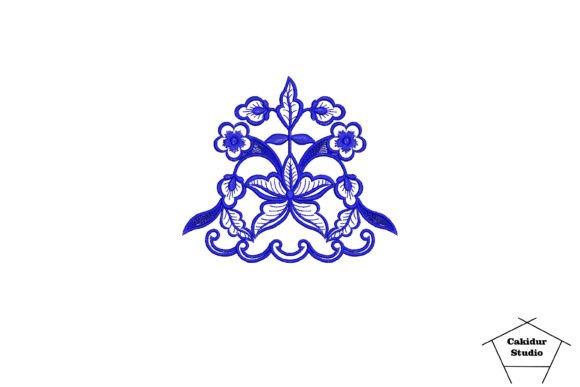
The immediate mood of Trio Leaves Bush is organic and understated. It belongs firmly in the Outline Flowers category, which tells me right away that we are dealing with line work rather than heavy saturation. For a designer, this is often a relief. Heavy fill stitches can distort fabric, especially on lighter garments. The layout here feels balanced, with a natural flow that suggests growth rather than rigid symmetry. It does not scream for attention; instead, it invites a closer look. This subtlety is exactly what modern consumers are seeking in handmade goods. They want sophistication, not noise.
The detail level is moderate. It is intricate enough to look professional but open enough to remain readable from a distance. This visual personality makes it versatile. It does not feel tied to a single season, which is a massive advantage for inventory planning. You are not stuck selling this only in spring or autumn. It works year-round, adapting to the thread colors you choose.
Real-World Application: The Tote Bag Test
To truly evaluate a design, you must imagine it on a product. I recently considered using Trio Leaves Bush for a line of canvas tote bags for a local boutique client. Canvas is a forgiving fabric, but it has a distinct texture. I needed a design that would not get lost in the weave. Because this design utilizes strong outlines, it performs exceptionally well here. The lines bridge the gaps in the fabric texture, creating a crisp image that stands out against the natural beige of untreated canvas.
If I were stitching this on a cotton tote, I would likely opt for a contrasting thread color to maximize visibility. A deep forest green or a muted terracotta would ground the design, giving it an earthy, artisanal feel. This kind of tote bag design appeals to buyers who value sustainability and slow fashion. The design becomes part of the brand story, suggesting care and attention to detail. It transforms a simple utility item into a handmade product that feels curated.
Apparel and Custom Embroidery Considerations
Moving from home decor to apparel changes the stakes. When applying this to custom apparel, such as a heavyweight hoodie or a structured sweatshirt, the stability of the garment helps. Trio Leaves Bush sits nicely on the chest pocket area or slightly off-center on the upper back. For sweatshirt embroidery, the open nature of the outline design prevents the "cardboard effect" that dense satin stitches can cause on thick fleece. The fabric remains soft and drapable, which is crucial for customer comfort.
However, caution is required when moving to thinner fabrics. If you plan to use this on a t-shirt, you must be meticulous with your stabilization. A cut-away stabilizer is non-negotiable here to prevent puckering around the curves of the leaves. The design’s structure is sound, but thin jersey knit will reveal any tension issues. I always recommend testing on scrap fabric first. Check how the needles penetrate the specific blend you are using. A slight adjustment in tension can mean the difference between a professional finish and a messy one.
Niche Uses: Baby Items and Patches
The gentle aesthetic of this design also makes it suitable for baby embroidery. On a muslin swaddle or a organic cotton onesie, the soft curves feel nurturing. However, safety and durability are paramount. Ensure that the start and end points of the stitching are secure, as babies are rough on their clothes. For a personalized gift, pairing this botanical motif with a small, simple name in a complementary font can create a high-value item without overcrowding the small hoop space.
Another excellent application is the embroidered patch. Because Trio Leaves Bush has a defined perimeter, it cuts cleanly. You can stitch it onto twill, cut it out, and apply it as an iron-on or sew-on patch. This extends the life of the design across multiple products, from denim jackets to backpacks. It allows Etsy sellers to create modular inventory, offering the same design in various formats.
Technical Performance and Stitching Clarity
From a technical standpoint, the clarity of the stitch path is vital. In outline designs, every jump stitch and connection point is visible. A well-digitized file like this should minimize unnecessary jumps. When reviewing the simulation, look for smooth transitions between the leaves. Jagged lines or uneven spacing in the digital preview will translate directly to the finished product.
Thread choice plays a significant role in how this design reads. A matte rayon or polyester thread will give a subtle, sophisticated look, while a shiny rayon might make it pop more on dark fabrics. I advise testing at least three different thread colors on your primary fabric type. Do not assume that what looks good on screen will look good in thread. Contrast is key. On dark fabrics, light threads can sometimes appear too stark, so consider tonal variations—like a sage green on a navy blue—to maintain elegance.
Where to Use Caution
While versatile, Trio Leaves Bush is not without its limitations. Avoid placing it on highly textured fabrics like bouclé or heavy wool unless you are using a very bold thread weight, as the details may get swallowed. Similarly, be careful with stretchy performance fabrics. The outline structure can restrict stretch if the stitch density is too high for the material. Always check the stitch density settings in your software if you have the ability to edit the embroidery file.
Curved surfaces, such as caps, require precise hooping. The asymmetry of the leaves means orientation matters. Ensure the design flows with the curve of the cap rather than fighting against it. Misalignment here is obvious and difficult to fix after stitching.
Commercial Value and Brand Consistency
For small shop product lines, consistency builds trust. Using a cohesive set of designs, including Trio Leaves Bush, helps establish a recognizable brand aesthetic. Whether you are creating holiday embroidery gifts or everyday wear, the quality of the stitch reflects the quality of your brand. A clean, well-executed design encourages repeat customers and positive reviews. It signals that you are a professional who cares about the finished product.
Before listing items for sale, confirm the licensing terms of the digital embroidery file. Most designers allow commercial use for physical items, but restrictions may apply to digital resale. Protect your business by understanding these boundaries. Use high-quality printable mockup images to showcase the design in context, but always include photos of the actual stitched item to manage customer expectations.
Final Verdict for Makers
Trio Leaves Bush is a reliable, aesthetically pleasing addition to any designer’s library. It bridges the gap between simplicity and detail, making it ideal for a wide range of commercial embroidery projects. It respects the fabric, allowing the textile to remain part of the experience rather than being overwhelmed by thread. For the craft business owner, it offers flexibility and ease of use. Just remember to respect the materials, test your tensions, and let the natural beauty of the outline shine. It is a tool that, when used with intention, can elevate your entire product line.