Moon with Flowers: A Designer’s Craft Fair Review
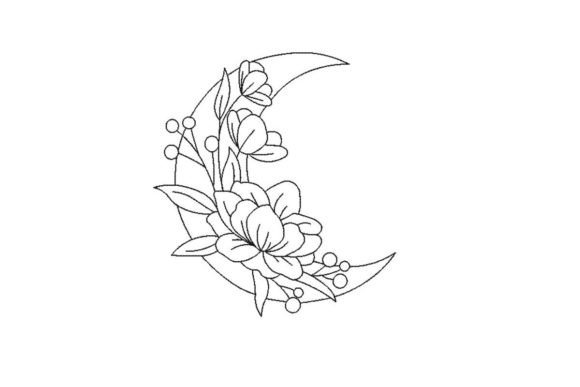
As an embroidery designer who has spent countless weekends behind a booth table, I know that the difference between a browsing customer and a buying customer often comes down to visual impact. When I first loaded the Moon with Flowers design into my software, my immediate thought was about its versatility. This is not just another floral motif; it is a statement piece that bridges the gap between whimsical and elegant. For those of us running small shops or selling at local markets, finding a design that performs well across multiple product types is gold. Let’s break down why this specific Outline Flowers style design might be the next bestseller in your commercial embroidery lineup.
First Impressions: Mood and Market Fit
The aesthetic of Moon with Flowers leans heavily into the modern rustic and cottagecore trends that are currently dominating the handmade market. It feels soft yet structured. Because it utilizes an outline style, it avoids the heavy, stiff look that sometimes plagues dense floral designs. This gives it a premium, airy feel that appeals to buyers looking for something delicate but durable. Whether you are targeting the farmhouse crowd or the modern minimalist, this design sits comfortably in both camps. It is decorative enough to be a focal point but subtle enough to blend into a curated home interior.
For an Etsy seller or craft fair vendor, this mood is crucial. Customers at these venues are often looking for items that feel personal and unique. The ability to choose the color scheme at your discretion, as noted in the product description, allows you to tailor the vibe. Swap warm yellows and oranges for a festive autumn look, or stick to cool blues and whites for a serene, wintery aesthetic. This flexibility is a massive advantage when you are trying to maximize inventory without designing fifty different files.
Product Performance: Where It Shines
When preparing my display for a weekend craft fair, I always categorize designs by their best-suited products. Moon with Flowers is incredibly adaptable, but it truly excels in specific areas.
- Tote Bags and Market Bags: This is arguably the strongest application. A large-scale version of this design on a canvas tote creates an instant tote bag design that sells itself. The outline style ensures the bag remains flexible and doesn’t become a stiff board after washing.
- Aprons and Tea Towels: For kitchenware, the design adds a touch of elegance. Apron embroidery benefits from the open spaces in the outline, preventing the fabric from puckering too much during use. Similarly, tea towel embroidery looks sophisticated when placed off-center or near the hem.
- Patches and Pouches: If you scale it down, it works beautifully as an embroidered patch. However, you must be mindful of detail loss. On small fabric pouches, keep the design simple and ensure the thread contrast is high so the moon and petals remain distinct.
- Pillow Covers: As a home decor item, this design transforms a plain pillow cover into a giftable handmade item. It serves as a perfect centerpiece for a neutral living room setup.
Practical Selling and Production Points
From a production standpoint, efficiency is key. One of the biggest advantages of Moon with Flowers is its clarity. It is easy to understand at a glance, which is vital when customers are walking past your booth quickly. They don’t need to squint to figure out what it is. This immediate recognition drives impulse buys.
Photography is another major factor. Outline designs photograph exceptionally well because they don’t create harsh shadows or bulky textures that distort under studio lights. This makes creating a printable mockup or digital listing image much easier. For online sellers, this means your digital embroidery file can be marketed with clean, professional photos that accurately represent the finished product.
Furthermore, the repeatability of this design for batch production is high. Since it relies on outlines rather than solid fills, it typically runs faster than saturated designs. This means you can produce more units in less time, increasing your profit margin per hour—a critical metric for any small shop product line.
Careful-Use Notes and Technical Considerations
While the design is versatile, there are technical pitfalls to avoid. As an experienced designer, I always advise checking the stitch density before hitting "start" on your machine. Even though it is an outline design, overlapping areas where the flowers meet the moon could become dense if not optimized. Always test on scrap fabric first.
Here are specific scenarios where caution is needed:
- Textured Towels: Embroidering on waffle-weave or terry cloth can cause the outlines to sink in. Use a strong cut-away stabilizer or a topping to keep the stitches visible.
- Curved Cap Surfaces: If you attempt this on a cap, ensure the hoop size is appropriate for the curve. Small lettering or tiny details in the flower centers may distort on curved surfaces. Keep the design centered and avoid the side seams.
- Dark Fabric: The description mentions choosing colors at your discretion. On dark fabrics, ensure your thread colors have enough contrast. A pale yellow moon on black linen looks stunning, but a dark blue moon on navy denim will vanish.
- Small Sizes: If scaling down for a pocket logo or small patch, verify that the fine lines of the outline do not break. Some machines struggle with very short, thin stitches. Check your minimum stitch length settings.
Enhancing Visual Appeal and Brand Consistency
Using Moon with Flowers consistently across your product line can strengthen your brand identity. Imagine a booth display where the same motif appears on a tote, a patch, and a pillow. This repetition creates a cohesive look that signals professionalism and thoughtful design. It helps buyers visualize how the items fit together in their own lives, increasing the likelihood of multiple-item purchases.
The design also boosts perceived value. Handmade items with intricate, well-executed embroidery are often viewed as higher quality than printed alternatives. The texture of the thread adds a tactile element that invites customers to touch the product, which is a powerful sales tool in person.
Designer’s Checklist for Success
Before you list this as a craft fair product or upload it to your online store, run through this quick checklist:
- Test on Scrap: Never skip this. Check for puckering and thread breaks.
- Check Thread Contrast: Ensure the moon stands out against the background fabric.
- Review Spacing: Make sure elements aren’t too close together, which can cause thread nesting.
- Confirm Hoop Size: Match the design dimensions to your available hoops to avoid unnecessary re-hooping.
- Inspect Stitch Density: Adjust if necessary for lighter fabrics like linen or cotton voile.
- Use the Right Stabilizer: Match the stabilizer to the fabric weight and stretch.
- Create a Real Mockup: Photograph the actual stitched item, not just the digital file.
- Compare Fabric Colors: Test on at least three different fabric shades to see versatility.
- Confirm Licensing: Ensure you have the rights for commercial embroidery if you are selling finished goods. The product description implies customization, but always verify the license terms of the embroidery file provider.
In conclusion, Moon with Flowers is a strong contender for any embroidery business looking to expand its design assets. It balances aesthetic appeal with production practicality. By paying attention to fabric choice, thread contrast, and proper stabilization, you can turn this digital file into a standout handmade product that resonates with customers and drives sales. Whether you are a seasoned Etsy seller or a newcomer to the craft fair circuit, this design offers the flexibility and charm needed to succeed in today’s competitive handmade market.