Floral Bush Border: A Designer’s Review for Craft Fairs
As an embroidery designer who has spent countless hours behind a sewing machine and even more time standing behind a craft fair table, I have learned that not all designs are created equal. Some look beautiful on a screen but fail to catch the eye in a bustling market environment. Others are so complex they become a nightmare for batch production. Today, I am putting the Floral Bush Border under the microscope. This is not just a theoretical review; this is a practical assessment of how this abstract floral ornament border performs when turned into real-world products for handmade markets and online shops.
First Impressions: Abstract Elegance with Market Appeal
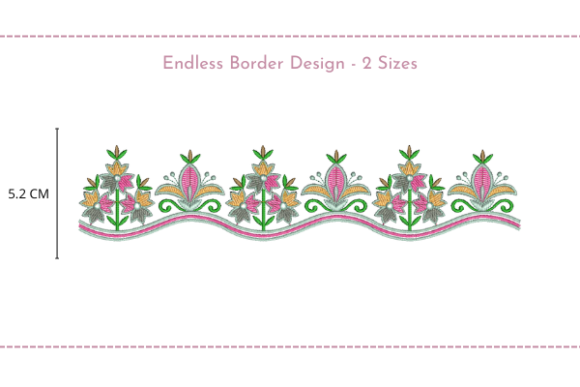
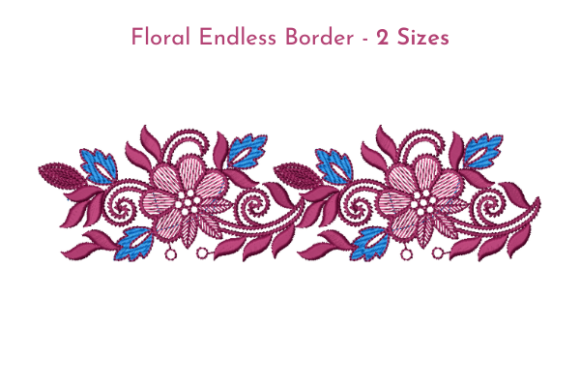
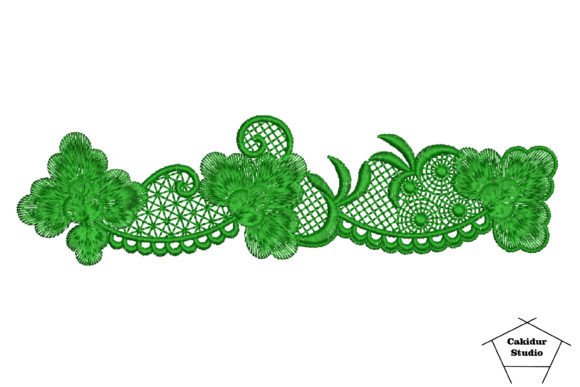
The first thing that strikes me about the Floral Bush Border is its versatility. The description highlights it as an "abstract floral ornament," which immediately signals a modern, slightly artistic vibe rather than a traditional, rigid botanical illustration. In the current handmade market, buyers are leaning toward designs that feel organic and fluid. This design fits that bill perfectly. It feels decorative yet minimal enough to fit into various aesthetics, from farmhouse chic to modern boutique styles.
For a craft fair seller, visual clarity is king. Customers walk past your booth quickly. They need to understand what they are looking at in seconds. The abstract nature of this border allows it to read well from a distance. It does not get lost in tiny, indistinguishable details. Instead, it offers a cohesive shape that draws the eye along the edge of a fabric item. This makes it an excellent candidate for items where the border is the main event, such as hemlines on aprons or the edges of tea towels.
Product Potential: Where This Design Shines
When planning my inventory for a weekend craft fair, I always think about product mix. The Floral Bush Border is particularly strong when applied to linear items. Here is how I envision using this machine embroidery design across different product categories:
- Tote Bag Design: Placing this border along the bottom hem or the top opening of a canvas tote creates a finished, premium look. It elevates a basic bag into a handmade product that feels thoughtful and designed.
- Apron Embroidery: An apron is a staple for many makers. Running this floral bush along the waistband or the bottom edge adds a touch of elegance without overwhelming the garment. It appeals to customers looking for giftable kitchen accessories.
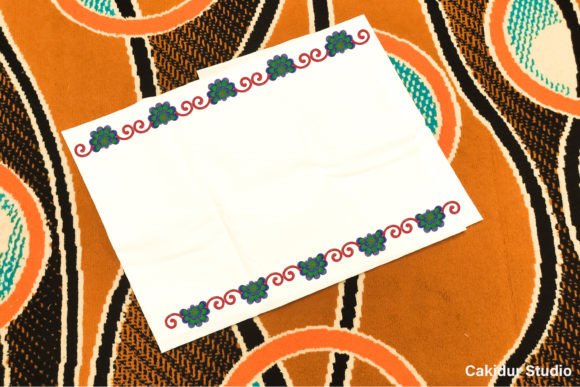
- Tea Towel Embroidery: This is perhaps the most natural fit. Borders are meant for edges. Embroidering this design on the short ends of linen or cotton tea towels creates a classic, high-value item that sells well in multiples.
- Embroidered Patch: If digitized correctly, this could work as a long, narrow patch. Patches are low-commitment purchases for customers, making them great impulse buys at a booth.
- Pillow Covers: Using the border along the seams of a pillow cover can frame the fabric beautifully, adding texture and interest to home decor items.
For an Etsy seller, these applications translate well into digital listings. The linear nature of the design makes it easy to photograph flat-lays, which perform exceptionally well on social media and online marketplaces.
Production Practicality: Batch Making and Efficiency
One of the biggest challenges for small shop owners is time management. We need designs that are quick to hoop, stitch out reliably, and require minimal trimming. The Floral Bush Border appears to be a strong contender for batch production. Because it is a border, it likely repeats or spans a specific width, allowing for consistent placement. This consistency is crucial when you are making twenty tote bags for a Saturday morning market.
However, we must consider stitch density. Abstract designs can sometimes rely on dense satin stitches to create bold shapes. If this design is too dense, it may cause puckering on lighter fabrics like cotton voile or lightweight linen. I recommend checking the digital embroidery file details for stitch count and density recommendations. If the density is high, you will need a cut-away stabilizer to support the fabric. If it is lighter, a tear-away might suffice, which speeds up the finishing process.
Another practical point is the "glance factor." Does the design look complete? Some borders leave open ends that require careful finishing. A well-digitized border should look intentional at both start and stop points. This reduces the time spent hiding thread tails and ensures a professional finished product.
Careful-Use Notes: Avoiding Common Pitfalls
While this design is versatile, it is not without its limitations. As an experienced designer, I advise caution in the following areas:
- Fabric Texture: Highly textured fabrics, such as waffle-weave towels or thick burlap, can obscure fine details. Since this is an abstract floral, ensure the lines are bold enough to stand out against the texture. Test on scrap fabric first.
- Curved Surfaces: Applying a straight border to a curved surface, like the front of a cap, requires skill. The design may distort if not hooped properly. For caps, consider breaking the border into smaller segments or using a specialized cap frame.
- Dark Fabric: If you plan to sell on dark navy or black fabrics, your thread colors must have high contrast. Pastels may get lost. Always stitch a test sample on your darkest intended fabric to check visibility.
- Scale and Clarity: If you shrink this design for a small pouch, ensure the abstract elements do not merge into a blob. Small lettering or tiny petals can lose clarity. Verify the minimum hoop size recommended for the design to maintain integrity.
Enhancing Visual Appeal and Brand Consistency
Using a consistent design element like the Floral Bush Border across your product line helps build brand recognition. When a customer sees the same elegant border on a tote, an apron, and a pillow cover, they recognize your signature style. This cohesion strengthens your booth display, making your table look curated and professional rather than cluttered.
Furthermore, this design adds perceived value. A plain tote bag might sell for $15, but one with a custom embroidered border can easily command $25 or more. The embroidery signals labor, skill, and uniqueness. It transforms a commodity into a small shop product with a story.
Designer’s Checklist Before You Sell
Before you launch this design into your commercial embroidery lineup, take these final steps:
- Test on Scrap Fabric: Never skip this step. Check for puckering, thread breaks, and registration issues.
- Check Thread Contrast: Ensure your chosen thread palette pops against your fabric choices.
- Review Spacing: Confirm that the border aligns correctly with the edges of your products.
- Confirm Licensing: Ensure your purchase of the design assets includes commercial rights. Most designers allow selling finished physical products, but always verify.
- Create a Printable Mockup: Use digital mockups for your online listings to save time, but back them up with real photos for authenticity.
In conclusion, the Floral Bush Border is a promising addition to any embroidery business owner’s library. Its abstract, organic feel appeals to modern buyers, and its linear format makes it ideal for high-margin items like towels, aprons, and totes. By paying attention to stitch density, fabric choice, and placement, you can turn this embroidery file into a bestseller at your next craft fair. Remember, the key to success in handmade markets is not just having a pretty design, but executing it with precision and presenting it in a way that highlights its quality. Happy stitching!