Floral Border Design: A Designer’s Review
As an embroidery designer who has spent years digitizing and testing patterns for small boutique brands, I approach every new machine embroidery design with a critical eye. It is not just about whether the file runs smoothly; it is about how the final stitched product elevates the garment. Recently, I evaluated the Floral Border Design for a potential limited-edition sweatshirt drop for a client’s online shop. This review breaks down my professional assessment of this pattern, focusing on its viability for commercial apparel, aesthetic appeal, and technical execution.
First Impressions and Aesthetic Mood
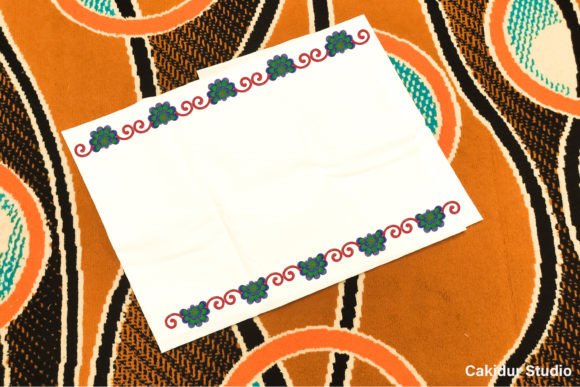
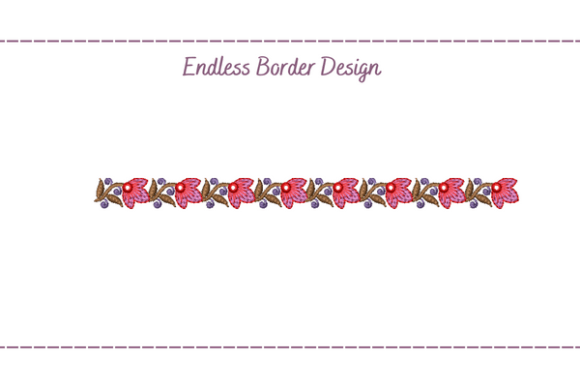
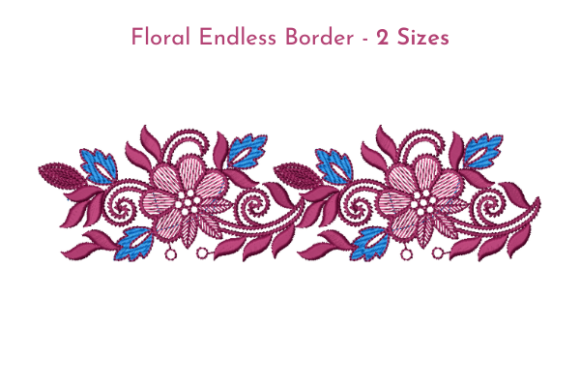
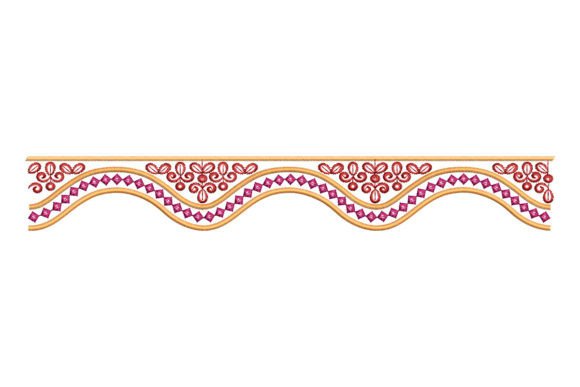
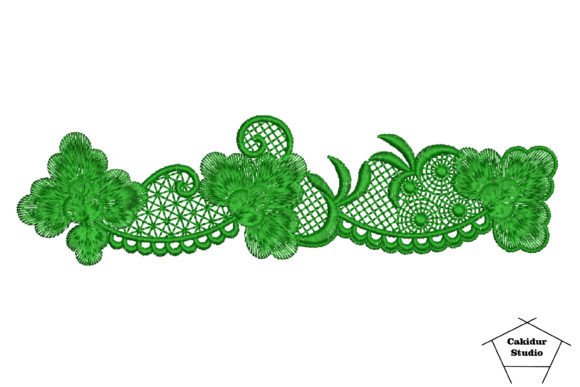
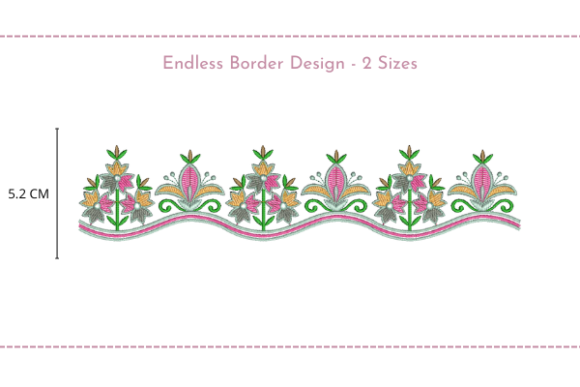
The moment I loaded the preview of the Floral Border Design, the layout struck me as versatile yet distinct. The description highlights it as a fantastic border for women’s fashion clothes and home decor, which immediately suggests a flexible scale. Visually, the design leans towards a feminine and decorative style, but it retains enough structural integrity to feel premium rather than overly cute or childish. For a boutique brand aiming to create cozy seasonal apparel, this balance is crucial. You want something that feels intentional and high-value, not like a generic clipart transfer.
The mood of the piece is rustic yet refined. Depending on the thread colors chosen, it can shift from bold and vibrant to minimal and understated. This adaptability makes it a strong candidate for various target audiences, from Etsy sellers looking for playful accents to high-end custom apparel shops seeking subtle elegance. The flow of the floral elements suggests a natural movement, which is essential for border designs that need to wrap around cuffs, hems, or necklines without looking rigid or forced.
Application on Sweatshirts and Hoodies
My primary test case was a premium heavyweight cotton sweatshirt. I envisioned placing the Floral Border Design along the bottom hem of an oversized hoodie. On neutral sweatshirts, such as oatmeal, heather grey, or soft beige, the design pops beautifully when stitched in contrasting earth tones like sage green, terracotta, or mustard. The texture of the fabric plays a significant role here; the plush surface of a fleece-lined sweatshirt provides a lovely backdrop that makes the embroidery stand out without sinking in.
For dark fabric options like charcoal or navy, I recommend using lighter thread colors to ensure readability. However, one must be cautious with stitch density. If the design is too dense, it can cause puckering on softer knit fabrics. During my mental simulation of the stitching process, I noted that this design appears to have a balanced fill, making it suitable for hoodie design applications where comfort is key. A stiff, heavy embroidery patch on a cozy garment defeats the purpose of the apparel. This design seems to maintain the drape of the fabric, which is a major plus for commercial embroidery projects.
Beyond the hem, this pattern works exceptionally well for sleeve accents. Running the border along the forearm of a long-sleeve tee or sweatshirt adds a unique touch that customers love. It transforms a basic blank into a statement piece. For back designs, you might consider scaling it up, provided the resolution and stitch quality hold up at larger sizes. This versatility allows small shop owners to maximize their design assets by creating multiple products from a single digital embroidery file.
Technical Considerations for Production
From a technical standpoint, there are several factors to address before hitting "start" on your machine. First, stabilizer choice is non-negotiable. For knit fabrics like sweatshirts and t-shirts, a cut-away stabilizer is generally recommended to provide lasting support and prevent distortion after washing. Since this is intended for a finished product that will be worn and laundered frequently, durability is paramount.
Thread color contrast is another critical element. The beauty of a floral border lies in the interplay of shades. I suggest using variegated threads if your machine supports them, as this can add depth and a handmade product feel that solid colors sometimes lack. However, if you are aiming for a more modern, graphic look, stick to high-contrast solids. Always test your thread colors on a scrap piece of the actual fabric you intend to use. Fabric texture can alter how colors appear once stitched.
Regarding hoop size and placement, ensure you measure your garment carefully. Oversized hoodies offer ample space, but fitted tops require precision. Misaligned borders can ruin the symmetry of a garment. I always recommend creating a printable mockup or using design software to visualize the placement before hooping. This step saves time and reduces waste, which is vital for small business owners operating on tight margins.
It is important to note that while the product description mentions multiple embroidery formats, it does not specify exact stitch counts or detailed hoop size requirements. As a professional, I advise you to check these details in the specific file package before production. Knowing the stitch count helps estimate run time, which affects your pricing strategy for custom apparel.
Brand Identity and Market Value
Incorporating a well-executed Floral Border Design can significantly enhance buyer trust and brand identity. When customers see clean, precise embroidery, they perceive higher value. It distinguishes your handmade product from mass-produced alternatives. For an Etsy seller, high-quality lifestyle product photography featuring this design can drive engagement. Show close-ups of the stitch work to highlight the quality. Show the design on different items mentioned in the description, such as cushion covers or table cloths, to demonstrate versatility.
This design supports visual recognition. If you use a consistent color palette across your collection, the floral border becomes a signature element of your boutique brand. It creates a cohesive look that customers can identify instantly. Whether used on bed sheets for a home decor line or on clothes for a fashion drop, the consistency builds loyalty. Commercial embroidery requires reliability, and this design appears robust enough to handle repeated production runs without losing its charm.
Final Verdict for Creative Entrepreneurs
The Floral Border Design is a solid addition to any digital embroidery library. It bridges the gap between decorative flair and wearable practicality. For creative entrepreneurs, it offers the flexibility to experiment with placement and color while maintaining a professional finish. Whether you are decorating a single handmade item or preparing a large batch for a seasonal launch, this pattern holds up under scrutiny.
Remember to prioritize proper stabilization and thread selection to achieve the best results. Test on various fabric textures to find the perfect combination for your specific niche. With careful execution, this border can elevate your small shop product line, offering customers a tangible sense of quality and care. It is not just an embroidery file; it is a tool for building a recognizable and respected brand in the competitive world of custom apparel.