Stitching Style: Reviewing the Sun Hat Floral Class
As a designer who spends half my life digitizing patterns and the other half troubleshooting thread breaks, I approach new Embroidery resources with a mix of curiosity and skepticism. We have all seen those overly complex digital files that look stunning on a screen but turn into a bird’s nest of thread on actual fabric. That is why I was intrigued to evaluate How to Embroider on a Sun Hat. This is not just a static machine embroidery design download; it is an educational experience focused on technique and application. For anyone running a craft business or looking to elevate their handmade gifts, understanding the "how" is often more valuable than just having the file.
First Impressions: Mood and Visual Personality
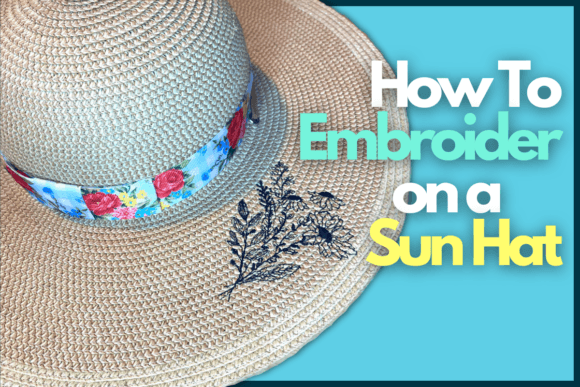
The immediate appeal of this project lies in its seasonal versatility. The floral motif suggested by the title evokes a sense of warmth, leisure, and boutique charm. In the world of custom apparel, sun hats are tricky canvases. They are curved, often made from structured yet breathable materials, and sit prominently on the wearer’s head. A design here needs to be legible from a distance but delicate enough not to overwhelm the accessory.
From a design perspective, the promise of a "cute floral design" suggests a balance between playful and polished. It avoids the heavy, dense look of traditional collegiate embroidery, leaning instead toward the airy, modern aesthetic popular among Etsy sellers and boutique owners. The mood is light, making it an ideal candidate for spring collections, summer market stalls, or vacation-themed personalized gift lines.
The Technical Edge: Embrilliance and Floating
What sets How to Embroider on a Sun Hat apart from a standard digital embroidery file purchase is the instructional component regarding Embrilliance. For those unfamiliar, Embrilliance is a powerful software suite for editing and combining embroidery files. Kayla’s step-by-step guidance on bringing the design into the software is crucial for professional results.
The mention of "floating" the design is a significant technical detail. Floating is a stabilization technique where the stabilizer is hooped, and the garment or item is laid on top, secured only by adhesive or temporary spray. This is essential for items like sun hats, which often cannot fit into a standard hoop due to their brim structure or stiffness. By teaching this method, the class addresses a major pain point for embroiderers: how to stitch on difficult, non-flat surfaces without distorting the fabric. This practical insight transforms the product from a simple pattern into a valuable skill-building resource for serious makers.
Real-World Application: Beyond the Hat
While the title specifies a sun hat, the techniques and design style taught in these Classes have broader applications. As a reviewer, I always look for versatility. Could this floral motif work elsewhere? Absolutely. The same floating technique and floral aesthetic can be adapted for a variety of small shop product lines.
- Tote Bag Design: A floral accent on the corner of a canvas tote adds a high-end feel to a basic item.
- Sweatshirt Embroidery: Placed on the cuff or collar, this design offers a subtle, feminine touch to oversized crewnecks.
- Embroidered Patch: Stitched on felt or twill, the design can become an iron-on patch, expanding its use to denim jackets and backpacks.
- Baby Embroidery: Softened color palettes of this floral style work beautifully on baby bonnets or nursery decor.
For commercial embroidery projects, this adaptability is key. You are not just buying one design; you are learning a workflow that applies to multiple revenue streams. Whether you are creating holiday embroidery for Christmas gifts or summer essentials for a beachside boutique, the core skills remain relevant.
Material Considerations and Stitch Performance
When evaluating any embroidery project, fabric interaction is paramount. Sun hats are typically made from cotton twill, straw, or synthetic blends. Each reacts differently to needle penetration. The instruction on floating is particularly vital here because hooping a stiff brim can leave permanent marks or cause the material to crack.
Designers must consider stitch density. If the floral design relies heavily on fill stitch areas, it may pull on lighter fabrics. However, if it utilizes satin stitch borders and open running stitch details, it will sit flatter and feel softer against the skin. Before committing to a final finished product, I always recommend testing the design on scrap fabric similar to your final material. Check how the thread colors interact with the base material. A dark navy hat might require a metallic or bright white thread to make the floral details pop, whereas a pastel hat might need tonal threads for a subtle, sophisticated look.
Commercial Viability and Brand Consistency
For handmade product creators, consistency is brand currency. Using a well-taught technique ensures that every hat you produce looks professional. Sloppy stitching or distorted shapes can undermine customer trust. By mastering the floating technique through this class, you reduce the risk of misalignment, ensuring that each piece meets a high standard of quality.
Furthermore, the visual appeal of a well-executed floral design enhances the perceived value of the item. Customers are willing to pay more for intricate, clean embroidery than for simple, monogrammed text. This design serves as a strong visual anchor for marketing materials, such as printable mockup previews or social media content. It tells a story of craftsmanship and attention to detail.
Practical Designer Notes for Success
To get the most out of How to Embroider on a Sun Hat, keep these practical tips in mind:
- Check Licensing: Before selling items made with designs from any class, confirm the license terms. Some educational resources allow commercial use of the finished physical item but restrict the redistribution of the digital file.
- Stabilizer Selection: Since you are floating, choose a cut-away stabilizer for stretchy fabrics or a tear-away for stable woven fabrics. The right stabilizer prevents puckering.
- Test Hoop Size: Ensure your machine’s hoop can accommodate the placement area on the hat brim. If the design is large, you may need to split it or use a larger hoop capability.
- Contrast Check: View your design in black and white on your computer screen. If the details disappear, the contrast between stitch types is too low, and you may need to adjust thread weights or colors.
- Needle Choice: Use a sharp needle for woven hat materials to prevent skipped stitches and ensure clean entry points.
Final Verdict
How to Embroider on a Sun Hat is more than a tutorial; it is a strategic asset for designers looking to expand their technical repertoire. It bridges the gap between digital design and physical execution, offering specific solutions for challenging surfaces. For the small business owner or dedicated hobbyist, the ability to confidently embroider on curved, structured items like hats opens up new product categories. The focus on Embrilliance and floating techniques provides long-term value that extends far beyond a single summer accessory. If you are ready to refine your craft and offer higher-quality design assets to your customers, this class is a worthwhile investment in your creative toolkit.