Reviewing the Floral Letter C with Butterfly Design
As a designer who spends more time staring at stitch maps than actual fabric, I have learned that not every machine embroidery design looks as good on screen as it does in the final finished product. When I first loaded the Floral Letter C with Butterfly into my digitizing software, my immediate reaction was one of cautious optimism. It is a charming piece, certainly, but charm does not always translate to clean stitching. This review breaks down how this specific embroidery file performs in real-world scenarios, moving beyond the pretty preview images to discuss practical application for crafters, Etsy sellers, and boutique owners.
First Impressions and Visual Personality
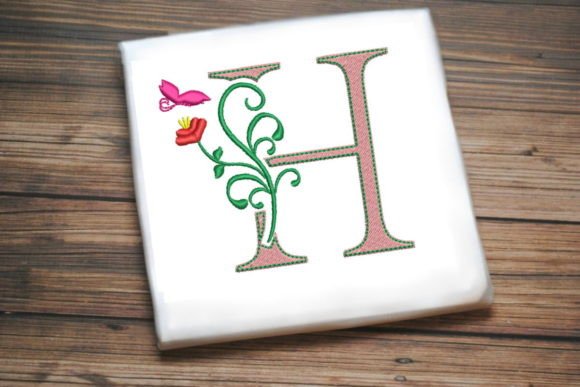
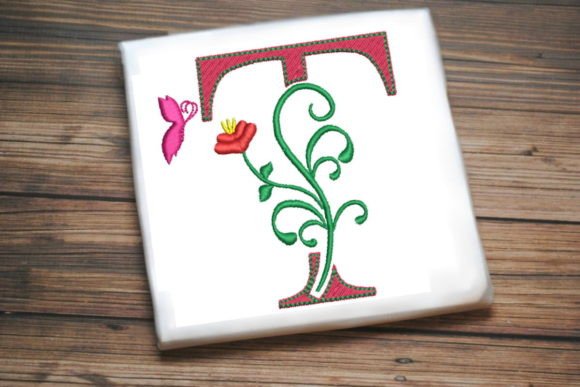
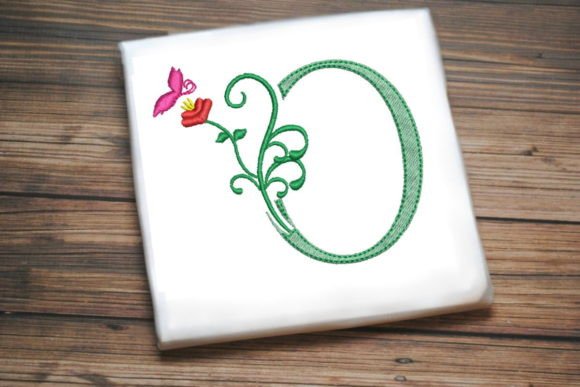
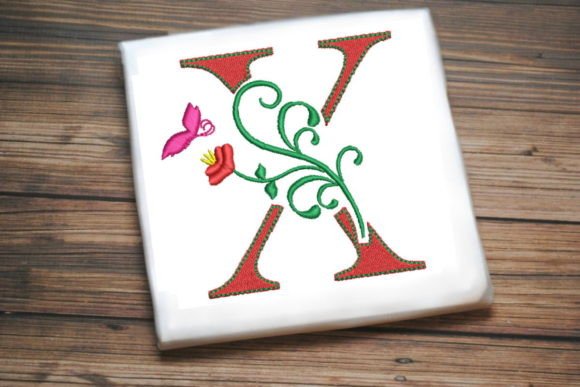
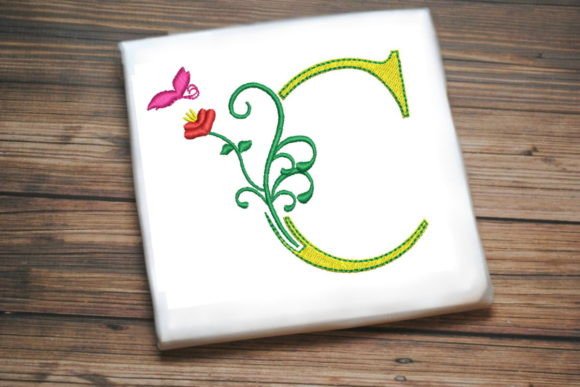
The Floral Letter C with Butterfly strikes a balance between classic monogramming and whimsical nature motifs. The central element is a bold, serif-style letter C, which provides a sturdy anchor for the decorative elements. Wrapping around the curve is a red rose, accompanied by a small butterfly hovering near the top right quadrant. The mood is romantic yet approachable, making it a strong contender for the Wedding Monogram category without feeling overly stiff or traditional.
What stands out initially is the layout. The butterfly is positioned in a way that suggests movement, breaking the static nature of standard alphabet Embroidery. However, from a technical standpoint, I immediately looked at the connection points. Does the butterfly connect to the letter, or is it a separate jump stitch? In many similar designs, isolated elements can lead to thread breaks or messy backs if not handled correctly. The visual flow here suggests a thoughtful arrangement, but the execution depends heavily on the underlying stitch types.
Real-World Application: From Mockup to Market
To truly evaluate this design, I imagined it in several common production scenarios. Let’s consider a custom tote bag design for a spring bridal shower. The floral theme fits perfectly here. On a canvas tote, the density of the rose petals needs to be substantial enough to cover the weave of the fabric but not so dense that it causes puckering. If you are an Etsy seller creating personalized gifts, this design offers high perceived value because it looks intricate without requiring hours of machine time.
Another viable use case is sweatshirt embroidery. Here, the contrast becomes critical. A white or cream thread for the letter C against a pastel pink sweatshirt, with the rose in deep red and the butterfly in complementary tones, creates a soft, vintage aesthetic. For baby embroidery, such as on a receiving blanket or a bib, the design works well provided the scale is adjusted. Parents love personalized items, and the butterfly adds a playful touch that appeals to nursery decor trends. However, for custom apparel like fitted t-shirts, you must be wary of the stitch count. Too much bulk on a thin jersey knit will result in an uncomfortable, stiff patch on the chest.
Considerations for Challenging Fabrics
Not every fabric loves a detailed monogram. When working with textured fabrics like terry cloth towels or waffle-weave kitchen linens, the fine details of the butterfly wings might get lost. In these cases, the Floral Letter C with Butterfly shines best on smooth, tightly woven cottons or linens. If you are attempting this on stretchy fabric, such as leggings or active wear, the stability of the letter C is your biggest concern. Without proper stabilization, the satin stitches outlining the letter can distort, turning a crisp curve into a wavy mess.
Dark fabrics present another challenge. If you are stitching this on navy or black, you cannot rely on the natural shading of the rose. You will need to carefully select thread colors that pop. A dark red rose on black fabric will disappear. Instead, consider using brighter shades or adding a subtle underlay to lift the design off the fabric surface. Always test your thread color combinations on scrap pieces of the exact fabric you intend to use. What looks vibrant on your monitor may look muddy in real life.
Technical Performance and Stitch Quality
Diving into the technical side, the success of this design hinges on the interplay between satin stitch and fill stitch. The letter C likely utilizes a wide satin stitch for a glossy, premium look. This requires precise tension settings on your machine. If your tension is too loose, the bobbin thread will show; too tight, and the fabric will pucker. The rose petals probably employ a combination of fill stitches for the body and satin stitches for the edges. This transition needs to be smooth. Jagged transitions are a hallmark of low-quality digitizing and can ruin the professional appearance of your handmade product.
The butterfly, being a smaller detail, likely uses finer satin stitches or even running stitch outlines for the wings. This is where stitch density becomes crucial. If the density is too high in such a small area, the thread can bunch up and break. If it is too low, the fabric underneath will show through, looking incomplete. Before committing to a large batch of commercial embroidery orders, run a test stitch-out. Check the back of the hoop as well. A messy back indicates potential issues with durability, especially for items that will be washed frequently, like holiday embroidery gifts or daily-use aprons.
Hoop Size and Placement Strategy
One practical note: verify the recommended hoop size before purchasing or downloading. While the design might fit in a 4x4 inch hoop, giving it more space in a 5x7 or 6x10 hoop allows for better stabilization and easier hooping. For curved surfaces like caps, this design might be tricky due to the width of the letter C and the extending butterfly. An embroidered patch might be a safer bet for hats, allowing you to stitch the design on flat fabric and then apply it to the cap. This avoids the distortion issues common with direct-to-garment stitching on curved seams.
Enhancing Brand Value and Customer Trust
For small business owners, the choice of design assets reflects your brand’s professionalism. Using a well-digitized digital embroidery file like the Floral Letter C with Butterfly signals attention to detail. When customers see clean lines, consistent stitch direction, and no thread nests, their trust in your craftsmanship increases. This translates directly to higher customer retention and positive reviews.
When creating printable mockup images for your online shop, ensure the digital representation matches the physical reality. Over-saturating colors in Photoshop to make the design pop can lead to disappointed customers when the actual item arrives. Use natural lighting and accurate color profiles in your photos. Highlight the texture of the stitches. Show close-ups of the butterfly wings and the rose center. These details sell the quality of your small shop product far better than wide-angle shots alone.
Final Verdict and Designer Notes
The Floral Letter C with Butterfly is a versatile addition to any designer’s library, particularly for those focusing on feminine, romantic, or spring-themed collections. It is not just a pretty picture; it is a functional tool for creating memorable personalized gifts. However, its success relies on your preparation.
- Test First: Always stitch a sample on your intended fabric type.
- Check Stabilizer: Use cut-away stabilizer for knits and tear-away for wovens to support the satin stitches.
- Verify Licensing: Confirm whether the license allows for commercial use if you plan to sell finished items.
- Inspect Details: Zoom in on the digitizing preview to check for excessive jump stitches or tiny, fragile elements.
- Contrast Matters: Ensure your thread colors have enough contrast against the fabric background.
In conclusion, this design holds up well under scrutiny. It offers a blend of elegance and playfulness that resonates with current market trends. Whether you are creating a bespoke wedding gift or stocking your online store with unique home decor, the Floral Letter C with Butterfly provides a solid foundation for high-quality embroidery projects. Just remember that the machine only does half the work; your choice of materials, stabilization, and thread management determines the final masterpiece.