Reviewing Floral Monogram Letter B for Real Projects
As a designer who has spent countless hours digitizing patterns and troubleshooting stitch-outs, I approach every new machine embroidery design with a mix of curiosity and skepticism. We have all been there: you download a beautiful preview, load it onto your machine, and hope the reality matches the marketing image. Recently, I evaluated Floral Monogram Letter B to determine if it holds up under the scrutiny of real-world production. This is not just about aesthetics; it is about functionality, stitch quality, and commercial viability for small business owners and hobbyists alike.
First Impressions and Visual Personality
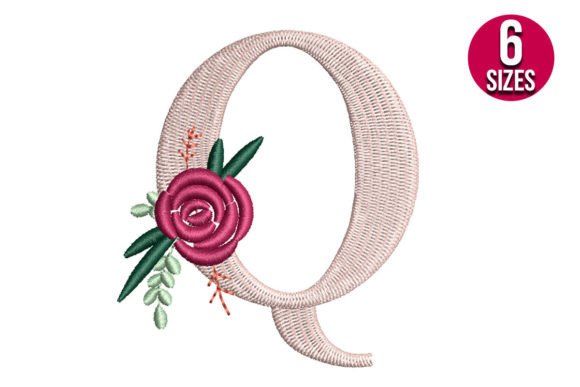
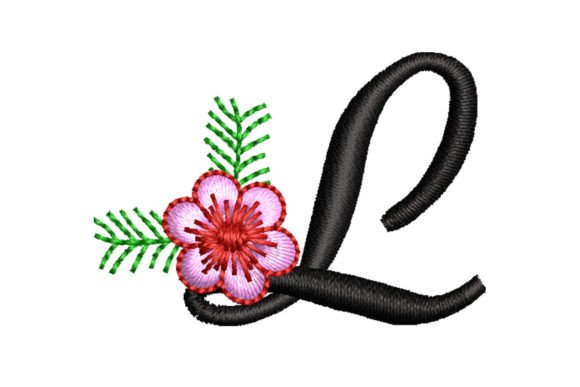
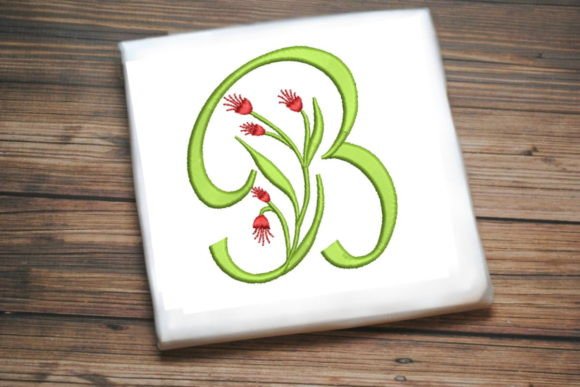
The first thing that strikes you about Floral Monogram Letter B is its romantic, vintage-inspired mood. The letter itself serves as a sturdy anchor, decorated with pretty red flowers that soften the rigid geometry of the alphabet. It feels hand-made, suggesting a level of care that translates well into high-end Wedding Monogram collections. The layout balances negative space with floral density effectively, avoiding the cluttered look that plagues many complex monograms.
For an Etsy seller or boutique owner, visual appeal is the primary driver of clicks. This design offers a classic elegance that appeals to brides, mothers, and anyone seeking a touch of traditional charm. However, beauty means nothing if the embroidery file does not stitch out cleanly. The interplay between the bold letter structure and the delicate petals requires precise digitizing to ensure the threads do not bunch or break during production.
Real-World Application: The Custom Tote Bag Test
To truly understand the potential of this design, I imagined a specific client project: a custom canvas tote bag for a bridal party gift. Canvas is a forgiving fabric, but it demands good stabilization. I visualized placing Floral Monogram Letter B on the lower corner of a natural cotton tote. The red flowers would pop against the neutral background, creating a sophisticated handmade product that feels personalized without being overly trendy.
In this scenario, the design performs well because the floral elements are substantial enough to cover the weave of the canvas without sinking in. If you were using this for sweatshirt embroidery, the same principles apply. The softness of fleece or French terry requires a design that does not become too stiff. The open areas between the flowers in this monogram allow the fabric to retain some drape, which is crucial for wearable custom apparel. Customers appreciate gifts that feel comfortable, not like cardboard patches sewn onto their clothes.
Versatility Across Product Lines
Beyond totes and sweatshirts, this design has legs in other categories. Consider baby embroidery projects. A softened version of this monogram, perhaps stitched in pastel thread colors instead of bold red, could adorn a nursery blanket or a bib. The rounded edges of the flowers make it safe and appealing for infant items. Similarly, for holiday embroidery, swapping the red threads for deep greens or golds could transform the piece into a festive ornament or pillow cover.
For those running a craft business, versatility is key to maximizing ROI on digital assets. This single digital embroidery file can be marketed across multiple niches: wedding favors, baby showers, home decor, and personalized gifts. The ability to adapt the thread palette allows you to create a cohesive brand aesthetic while offering variety to your customers.
Technical Considerations and Stitching Challenges
While the design is gorgeous, practical execution requires attention to detail. One must consider stitch density. Floral designs often rely on fill stitch areas to create volume in the petals. If the density is too high, the fabric may pucker, especially on thinner materials like silk or lightweight cotton. Conversely, if the density is too low, the backing fabric might show through, ruining the professional look of the finished product.
I recommend testing this design on scrap fabric before committing to a final item. Pay close attention to the connections between the letter and the flowers. These junction points are prone to thread breaks if the transition from satin stitch borders to fill areas is not smooth. Using a high-quality stabilizer is non-negotiable here. For stretchy fabrics like jersey knits used in t-shirts, a cut-away stabilizer will provide the necessary support to prevent distortion after washing.
Fabric and Hoop Constraints
Placement matters. On curved surfaces like caps or hats, the large surface area of the letter B might cause registration issues if the hoop is not secured tightly. The hoop size must accommodate the entire design with adequate margin for clamping. If you are working with a small hoop, you may need to resize the design, but be cautious. Shrinking it too much can merge fine details, turning distinct petals into a blob of thread.
Dark fabrics present another challenge. If you stitch this on black navy denim, the red flowers will stand out beautifully, but the letter itself needs to be light enough to contrast. Always check your design in a black-and-white mockup to ensure readability. If the letter and the background blend, the monogram loses its impact. This is a common mistake in commercial embroidery where speed overrides proofing.
Enhancing Brand Value and Customer Trust
Using high-quality designs like Floral Monogram Letter B directly impacts your brand perception. When a customer receives a personalized gift that is neatly stitched, with no loose threads or puckering, they trust your craftsmanship. This leads to repeat business and positive reviews. In the competitive world of online marketplaces, the difference between a mediocre listing and a bestseller often comes down to the clarity and professionalism of the embroidery.
Furthermore, consistent use of well-digitized assets helps build a recognizable style. If your shop specializes in romantic, floral-themed items, this design fits seamlessly into your catalog. It acts as a reliable design asset that you can return to again and again, tweaking colors and fabrics to keep the offerings fresh without reinventing the wheel.
Practical Designer Notes for Best Results
Before you launch this design into your production line, keep these practical tips in mind:
- Test on Scrap Fabric: Always run a test stitch-out on the same type of fabric you plan to use for the final product. This reveals tension issues and density problems early.
- Check Thread Contrast: Ensure the thread colors chosen provide sufficient contrast against the fabric. Use a color chart to preview the look before stitching.
- Review Stitch Density: If the design feels stiff, consider reducing the density slightly in your editing software, if you have the skills, or choose a lighter weight fabric.
- Confirm Hoop Size: Measure the design dimensions against your available hoops. Do not attempt to squeeze a large design into a small hoop without checking for distortion.
- Inspect Small Details: Zoom in on the digital preview. Look for tiny, isolated stitches that might cause bird nests or thread breaks.
- Use Proper Stabilizer: Match the stabilizer to the fabric. Tear-away for stable wovens, cut-away for knits, and wash-away for delicate or sheer fabrics.
- Verify Licensing: Before selling items made with this embroidery project, confirm the license terms. Ensure you have the right to sell finished goods commercially.
In conclusion, Floral Monogram Letter B is a strong contender for designers looking to add a touch of elegance to their portfolio. It bridges the gap between traditional monogramming and modern floral trends. By respecting the technical requirements of the design and choosing the right materials, you can create stunning small shop products that delight customers and elevate your brand. Whether you are creating a single embroidered patch for a friend or a hundred tote bags for a wedding, this design offers the reliability and beauty needed for professional results.