Floral Peacock: A Designer’s Review for Real Projects
When I first pulled up the Floral Peacock design on my screen, I wasn’t just looking for another bird motif to add to my library. As a designer who spends hours tweaking stitch paths and testing tension on various fabrics, I look for designs that balance aesthetic appeal with technical reliability. This particular piece from the Birds category caught my eye immediately. It promises to elevate style with an exquisite touch, but does it hold up under the needle? After reviewing the layout and considering its application in real-world scenarios, I’m ready to share my practical insights for fellow embroidery designers, Etsy sellers, and craft entrepreneurs.
First Impressions: Mood and Visual Personality
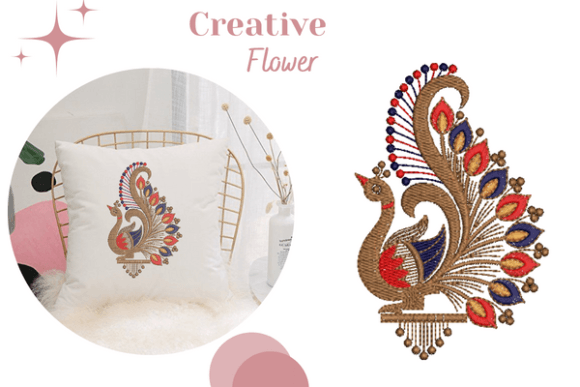
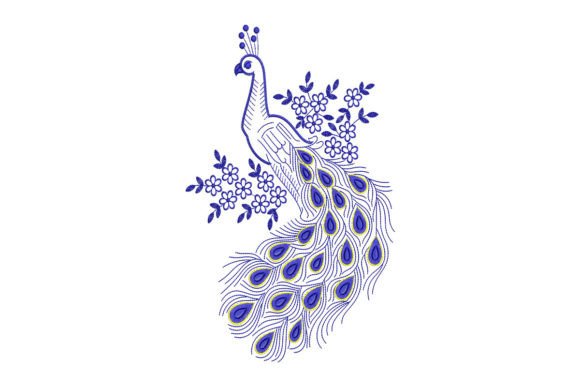
The immediate impression of Floral Peacock is one of elegance and organic flow. Unlike rigid, geometric patterns, this design leans into the natural curvature of the peacock’s form, intertwined with floral elements. For a machine embroidery design, this fluidity is both a strength and a challenge. The visual personality suggests sophistication, making it ideal for projects where you want to convey a sense of luxury or thoughtful craftsmanship.
The layout appears well-balanced, avoiding the common pitfall of top-heavy designs that can pucker fabric if not stabilized correctly. The integration of flowers with the bird creates a cohesive unit rather than two separate elements slapped together. This cohesion is crucial for a finished product that looks professional rather than amateurish. Whether you are creating a personalized gift or a boutique item, the mood here is celebratory yet refined.
Real-World Application: From Tote Bags to Sweatshirts
To truly evaluate an embroidery file, you have to imagine it stitched out. I recently considered using Floral Peacock for a custom tote bag design for a local artisan market. The scale of the design seemed perfect for the side panel of a canvas tote. The intricate details of the feathers and petals would stand out against the textured weave of the cotton canvas, provided the right stabilizer was used.
Beyond bags, this design has strong potential for custom apparel. Imagine it as sweatshirt embroidery on a high-quality, heavyweight fleece. The density of the design would provide substantial coverage without feeling too stiff, assuming the stitch density is optimized for knit fabrics. For baby embroidery projects, such as a nursery blanket or a special occasion onesie, the softer, rounded edges of the floral components make it approachable and gentle, avoiding sharp angles that might irritate sensitive skin or look too aggressive for a infant’s item.
For holiday embroidery, particularly for spring-themed gifts or Easter baskets, this design fits seamlessly. It also works well for wedding gifts, such as embroidered pillow covers or tea towels, where the theme of nature and beauty resonates with the occasion. As an Etsy seller, having a versatile design like this allows you to create multiple product lines—from home décor to wearable art—without needing to purchase entirely new assets for each niche.
Technical Considerations and Fabric Compatibility
While Floral Peacock is visually striking, there are areas where caution is necessary. Any design with significant detail requires careful attention to stitch density. If the fill stitch areas are too dense, they can cause puckering, especially on thin fabrics like silk or lightweight rayon. I always recommend testing the design on scrap fabric first. This is non-negotiable for professional results.
Textured fabrics present another variable. On a rough linen or a thick towel, the finer details of the peacock’s eye or the delicate petals might get lost. In these cases, increasing the size of the embroidery or simplifying the thread colors can help maintain clarity. Conversely, on smooth, dark fabrics, you must ensure high contrast in your thread colors. A satin stitch border can help define the edges and prevent the design from blending into the background.
Curved surfaces, such as caps or hats, require extra scrutiny. The peacock’s tail feathers, if they extend too far or have complex curves, may distort when stitched on a curved brim. If you plan to use this as an embroidered patch, ensure the backing is sturdy enough to support the weight of the stitches. For stretchy fabrics like jersey knits used in t-shirts, a cut-away stabilizer is essential to prevent the design from warping after washing.
Enhancing Brand Value and Customer Trust
For small shop owners and creative entrepreneurs, the quality of your design assets directly impacts your brand consistency. Using a high-quality digital embroidery file like Floral Peacock signals professionalism. Customers can tell the difference between a crisp, well-digitized design and one that is messy or poorly planned. A clean finished product builds trust and encourages repeat business.
When creating printable mockups for your online store, this design offers excellent visual appeal. Its intricate details look impressive in photos, which can increase buyer engagement on platforms like Etsy. However, ensure that your mockups accurately represent the final product. Misleading images can lead to returns and negative reviews. Use the design to create a cohesive look across your social media and product listings, reinforcing your brand’s identity as a provider of high-quality handmade products.
Practical Designer Notes for Best Results
Before you start stitching, here are some practical steps to ensure success with Floral Peacock:
- Check Stitch Density: Review the design in your embroidery software. If certain areas look overly dense, consider reducing the density or adding underlay stitches to support the top layers.
- Test Thread Colors: Experiment with different thread combinations. While the default colors might be vibrant, subtle tonal variations can create a more sophisticated look for adult apparel, while bright primaries work well for children’s items.
- Verify Hoop Size: Ensure the design fits comfortably within your hoop size. Leave at least an inch of margin around the design to allow for proper hooping and stabilization.
- Inspect Small Details: Zoom in on the smallest elements, such as the eye of the peacock or the center of the flowers. Make sure these details are large enough to stitch out cleanly without breaking threads.
- Confirm Licensing: If you plan to sell finished items or use this as part of a commercial embroidery project, double-check the license terms. Most designers allow sales of finished physical goods, but restrictions may apply to reselling the digital embroidery file itself.
- Use Proper Stabilizer: Match your stabilizer to your fabric. Tear-away for stable wovens, cut-away for knits, and water-soluble for delicate or pile fabrics.
In conclusion, Floral Peacock is a versatile and attractive addition to any designer’s toolkit. It bridges the gap between decorative flair and practical application, suitable for a wide range of embroidery projects. By paying attention to fabric choice, stabilization, and stitch optimization, you can leverage this design to create stunning, high-value products that resonate with customers. Whether you are a hobbyist looking to personalize a gift or a seasoned Etsy seller expanding your inventory, this design offers the quality and flexibility needed for professional results.