Floral Letter J: A Designer’s Review for Business Use
As an embroidery designer who has spent years digitizing patterns and consulting with small business owners, I approach every new machine embroidery design with a critical eye. It is not enough for a pattern to look pretty on a screen; it must perform flawlessly on fabric, withstand washing, and elevate the brand it represents. Recently, I reviewed Floral Letter J, a piece categorized under Wedding Monogram, to determine its viability beyond bridal wear. My goal was to assess how this elegant motif could serve cafes, boutiques, creative studios, and handmade brands looking to upgrade their small business merch.
First Impressions: Elegance Meets Versatility
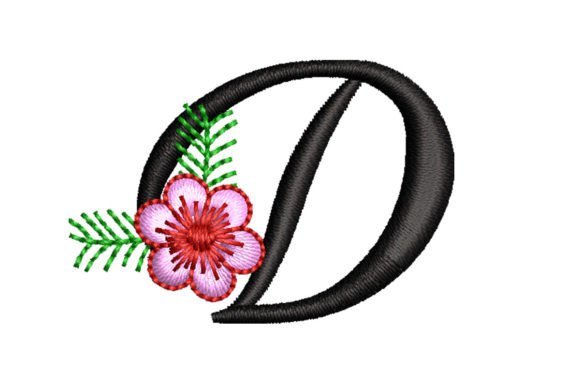
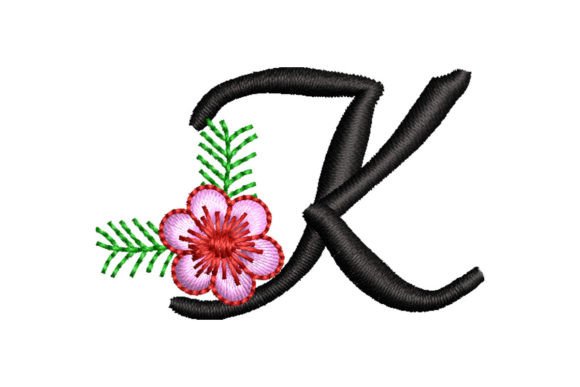
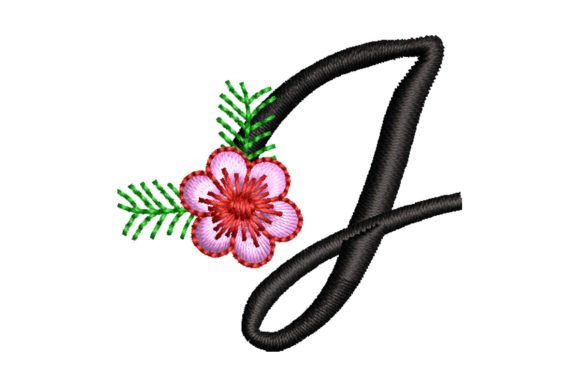
The first thing that strikes you about Floral Letter J is its balance. The description highlights "simple and elegant stitching patterns," and visually, this holds true. The design avoids the clutter often found in overly complex floral monograms, opting instead for a clean silhouette that remains legible even from a distance. For a business owner, legibility is paramount. Whether stitched onto a canvas tote or a staff uniform, the letter must be instantly recognizable.
The aesthetic leans towards premium and classic, with a touch of rustic charm depending on the thread choice. This versatility makes it an excellent candidate for brands that want to convey trust and sophistication without appearing stiff. It feels handmade yet professional, a difficult combination to achieve in digital formats. For Etsy sellers and crafters, this visual personality aligns perfectly with current trends favoring organic, soft, and personalized design assets.
Real-World Applications for Small Businesses
While this file is marketed for weddings, its potential extends far beyond bridal showers. Here is how I envision Floral Letter J performing in various commercial contexts:
- Embroidered Patches: This is perhaps the strongest use case. A patch allows for maximum control over the background fabric. You can stitch this design onto twill or felt, cut it out, and apply it to denim jackets, backpacks, or laptop bags. The floral elements soften the rigid shape of a standard patch, making it appealing for lifestyle brands.
- Staff Uniforms and Aprons: For a boutique bakery or a florist, apron embroidery adds a significant perceived value to the service. Placing Floral Letter J on the chest pocket area of an apron creates a subtle, high-end branding moment. It signals attention to detail, which customers often associate with product quality.
- Cap Embroidery: Caps are tricky due to the curved surface and limited space. However, if the design scales down well, it can work as a side-panel accent or a small front-center logo. The key is ensuring the floral details do not become muddy when compressed into a smaller hoop size.
- Tote Bag Design: Canvas totes are a staple for retail packaging. Stitching this monogram in a contrasting thread color creates a reusable marketing tool. Customers are more likely to keep and use a bag that looks like a fashion accessory rather than a disposable advertisement.
Navigating Technical Challenges
No design is without its challenges, and understanding them is crucial for a successful finished product. When working with Floral Letter J, consider the following technical aspects:
Stitch Density and Fabric Texture: Floral designs often involve satin stitches for petals and leaves. If the stitch density is too high, it can cause puckering, especially on lighter fabrics like cotton poplin or linen. Always test the design on your specific material. For textured fabrics like towels or heavy canvas, you may need to adjust pull compensation or use a stronger cut-away stabilizer to prevent distortion.
Scale and Legibility: While elegant, intricate floral outlines can disappear if the design is scaled down too much. Before committing to a large production run of custom apparel, stitch a sample at the intended size. If the fine lines of the flowers merge into the letter 'J', you may need to simplify the design or increase the size. This is particularly important for embroidered patch production where edges need to be clean for cutting.
Thread Color Contrast: The success of this design relies heavily on color choice. On dark uniforms, using light pastels or white thread can make the floral elements pop, but ensure the contrast is sufficient for readability. Conversely, tonal stitching (matching thread to fabric) offers a subtle, sophisticated look suitable for high-end boutique merchandise, though it may sacrifice immediate brand recognition.
Impact on Brand Identity and Customer Trust
In the world of commercial embroidery, consistency is key. Using a cohesive design element like Floral Letter J across various touchpoints strengthens brand identity. When a customer sees the same elegant monogram on their receipt bag, their coffee cup sleeve, and the barista’s apron, it creates a unified brand experience. This visual consistency builds trust and professionalism.
Furthermore, embroidered items carry a perception of higher value compared to printed graphics. An embroidered logo suggests permanence and quality. For handmade product sellers, adding this level of detail to packaging or thank-you notes can enhance buyer engagement and encourage social media sharing. A well-executed printable mockup showing the design on various products can also boost online sales by helping customers visualize the quality before purchasing.
Practical Designer Notes for Production
Before you load this digital embroidery file into your machine for a client order, follow these essential steps:
- Test in Black and White: Remove color variables initially. Stitch the design in black thread on white fabric. This reveals any issues with spacing, density, or registration without the distraction of color.
- Check Hoop Size Compatibility: Confirm the required hoop size matches your machine’s capabilities. If the design is large, ensure you have the appropriate frame to avoid re-hooping errors.
- Verify Commercial Licensing: Always check the license terms associated with the file. Ensure you have the right to use it for physical goods sold to customers. Never assume a personal license covers business use.
- Create Client Mockups: Use digital tools to place the design on photos of actual products. This helps manage client expectations and allows for approval before stitching begins.
- Select the Right Stabilizer: Match your stabilizer to the fabric. Use tear-away for stable woven fabrics and cut-away for stretchy knits or items that will undergo frequent washing.
In conclusion, Floral Letter J is a versatile asset for the thoughtful entrepreneur. While rooted in the Wedding Monogram category, its clean lines and elegant floral accents make it suitable for a wide range of small business merch applications. By paying attention to technical details like stitch density and fabric compatibility, you can transform this simple design into a powerful tool for brand building. Whether used for cap embroidery, tote bags, or staff uniforms, it offers the polished, handmade appeal that modern consumers crave.